
Buyer’s field guide · 2026 edition
How to buy a horse—and feel good about the decision later
A horse can look perfect in a polished video and still be wrong for your rider, budget or routine. This guide turns a high-emotion purchase into a calm, evidence-based process.
Horse Trade Market Editorial
Published August 23, 2026
14 minute read
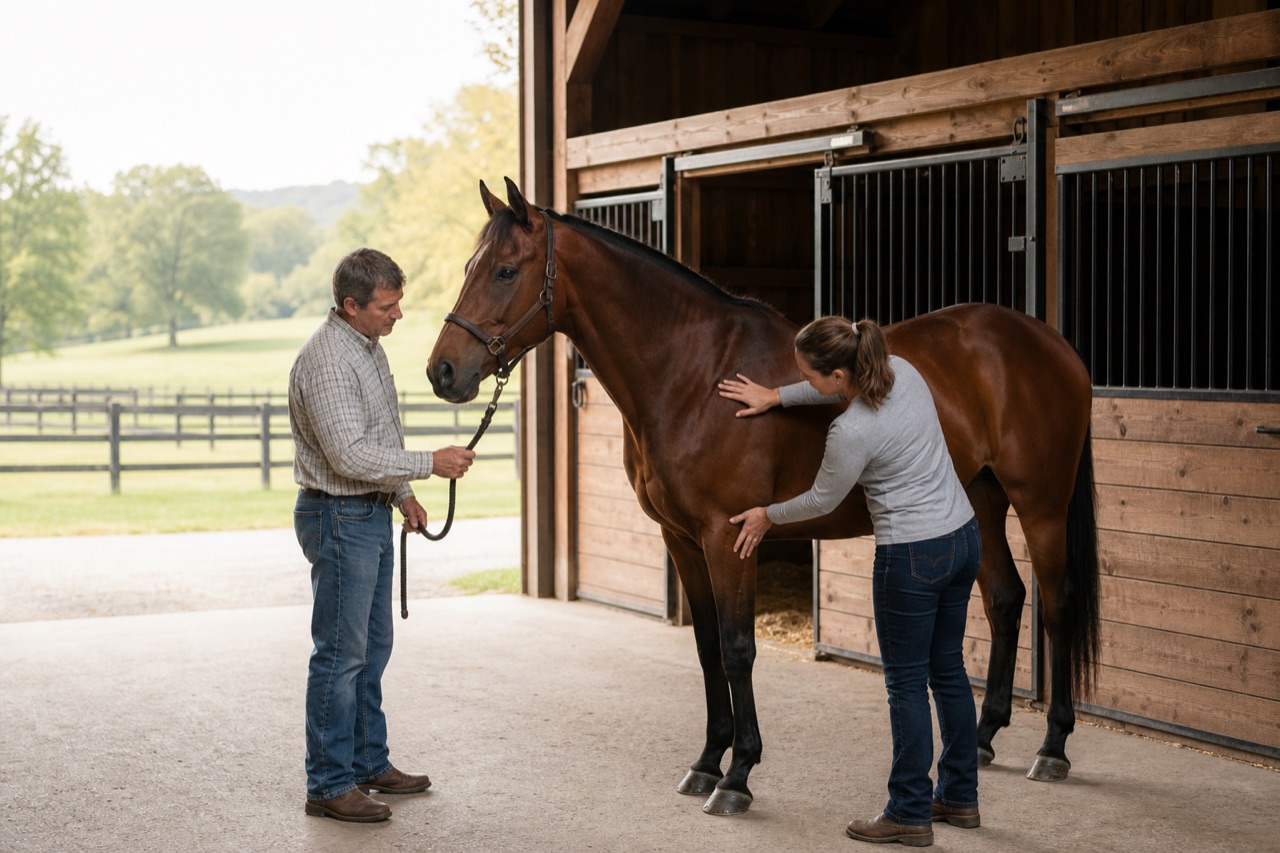
The safest horse purchase is rarely the fastest one. Your goal is not to prove that a favorite horse will work. It is to collect enough reliable information to decide whether the horse’s health, experience and temperament match the job you actually need done.
The complete process
Define the job
Write down the rider, discipline, workload and non-negotiables before opening listings.
Build the full budget
Include the PPE, transport, tack, board and an emergency reserve—not only the asking price.
Screen remotely
Verify identity, history and recent unedited videos before spending time or money on a visit.
See and ride
Watch the horse caught, handled and ridden by the seller before you get on.
Order an independent PPE
Use a veterinarian who does not routinely represent the seller.
Document and transport
Use a written bill of sale, confirm payment terms and book suitable transport.
Step one
Start with the rider and the job—not the horse
Write a one-page brief before you browse. Include the primary rider’s honest ability, preferred discipline, expected weekly workload, turnout and boarding situation, and whether a trainer will be involved. “Safe” and “beginner-friendly” are not universal traits: a quiet trail horse may be uncomfortable in a busy show environment, while a schoolmaster may require maintenance a new owner did not expect.
Non-negotiables
Sound for the intended job, manageable on the ground, suitable height and age range, budget ceiling, location radius.
Preferences
Color, markings, exact breed, pedigree and “potential.” These should not overrule safety or suitability.
If you are shopping for a specific type, compare several horses rather than anchoring on the first attractive listing. Start with active Quarter Horses, browse horses in Texas, or review horses in Florida to understand the available range.
Step two
Build a first-year budget
The asking price is only one line in the real budget. Before committing, get local quotes for board, hay or feed, farrier visits, routine veterinary care, lessons, insurance and transport. Leave room for saddle fitting and an emergency reserve. A horse bought at the top of the budget can become unaffordable after one unexpected veterinary bill.
Illustrative U.S. budget—not a market average. Costs vary widely by region and level of care.
Use our horse price guide to compare typical breed ranges and live asking prices. Then calculate ownership separately using costs specific to your barn and region.
Step three
Screen the listing and seller remotely
A useful listing should give you enough facts to decide whether a visit is sensible. Ask for the registered name if applicable, age, height, ownership history, reason for sale, current workload, medical and maintenance history, vices, loading behavior and experience away from home.
Ask for one continuous, recent video
Request footage showing the horse being caught, led, groomed, tacked, ridden in both directions and loaded if that matters to you. A compilation of short highlight clips can hide the moments you most need to see.
Ten questions worth asking
- 01How long have you owned the horse?
- 02Why is the horse being sold?
- 03What does a normal week look like?
- 04When was the horse last ridden?
- 05What maintenance does the horse receive?
- 06Any history of lameness, colic or surgery?
- 07How does the horse behave alone and in company?
- 08Does it load, clip and stand for the farrier?
- 09Who is not a good match for this horse?
- 10May my veterinarian review the records?
Step four
At the visit: observe before you ride
Bring a trainer or experienced professional who is willing to say no. Ask that the horse not be worked before you arrive. Watch it caught, led and tacked. The seller or their rider should get on first and demonstrate the movements you plan to try. Wear an approved helmet and do not ride if the setting, horse or seller’s behavior feels unsafe.
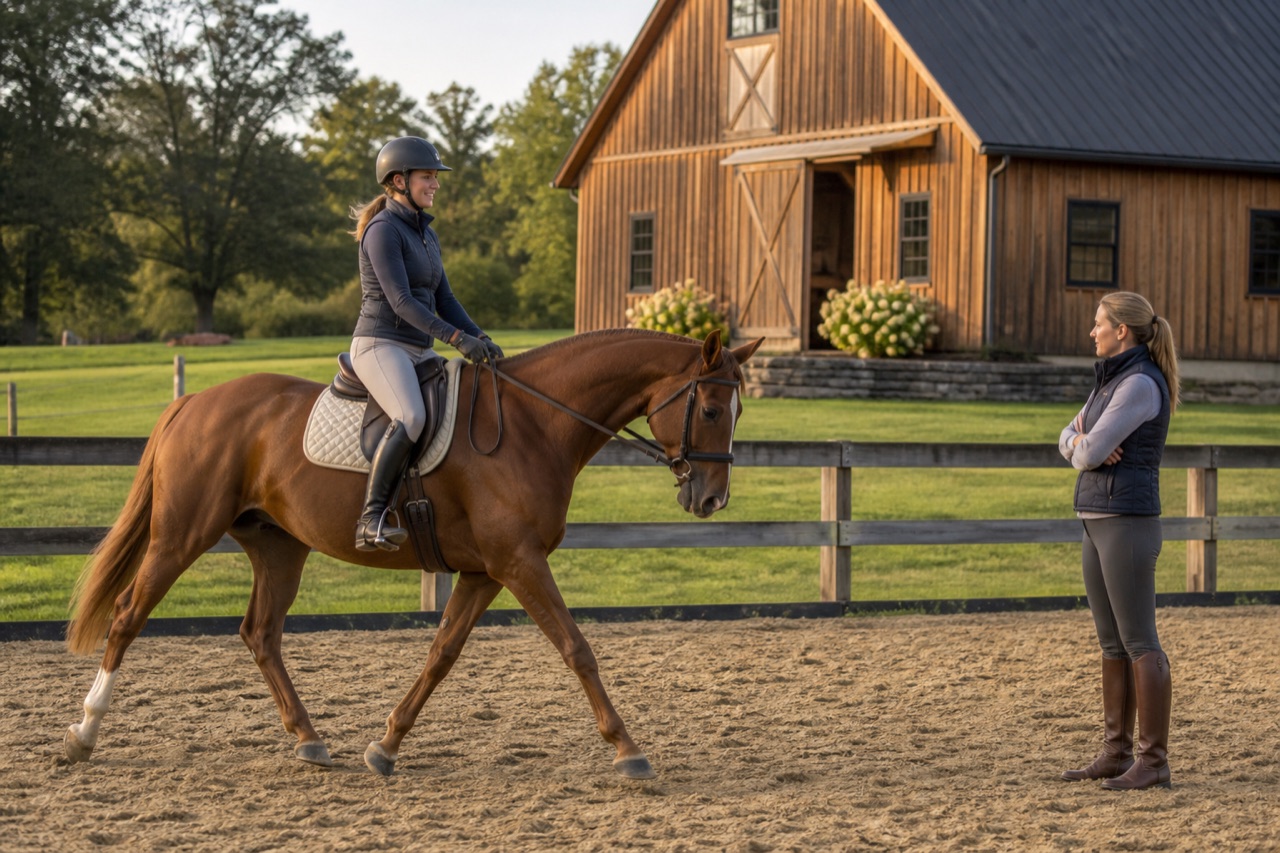
On the ground
Handling, feet, personal space and response to the environment.
Under saddle
Transitions, brakes, steering and reaction to ordinary mistakes.
After work
Recovery, soundness, legs, breathing and general demeanor.
Try the horse in conditions relevant to its intended job. If you need a trail horse, an arena-only ride provides incomplete evidence. If you need a youth mount, the appropriate rider should participate only after a qualified adult has established that it is safe.
Step five
Use an independent veterinarian for the PPE
A pre-purchase examination is an assessment of risk for your intended use on that day—not a pass/fail certificate and not a promise that the horse will remain healthy. Tell the veterinarian exactly what you plan to do with the horse and your tolerance for maintenance. The buyer should choose and pay the veterinarian whenever possible.
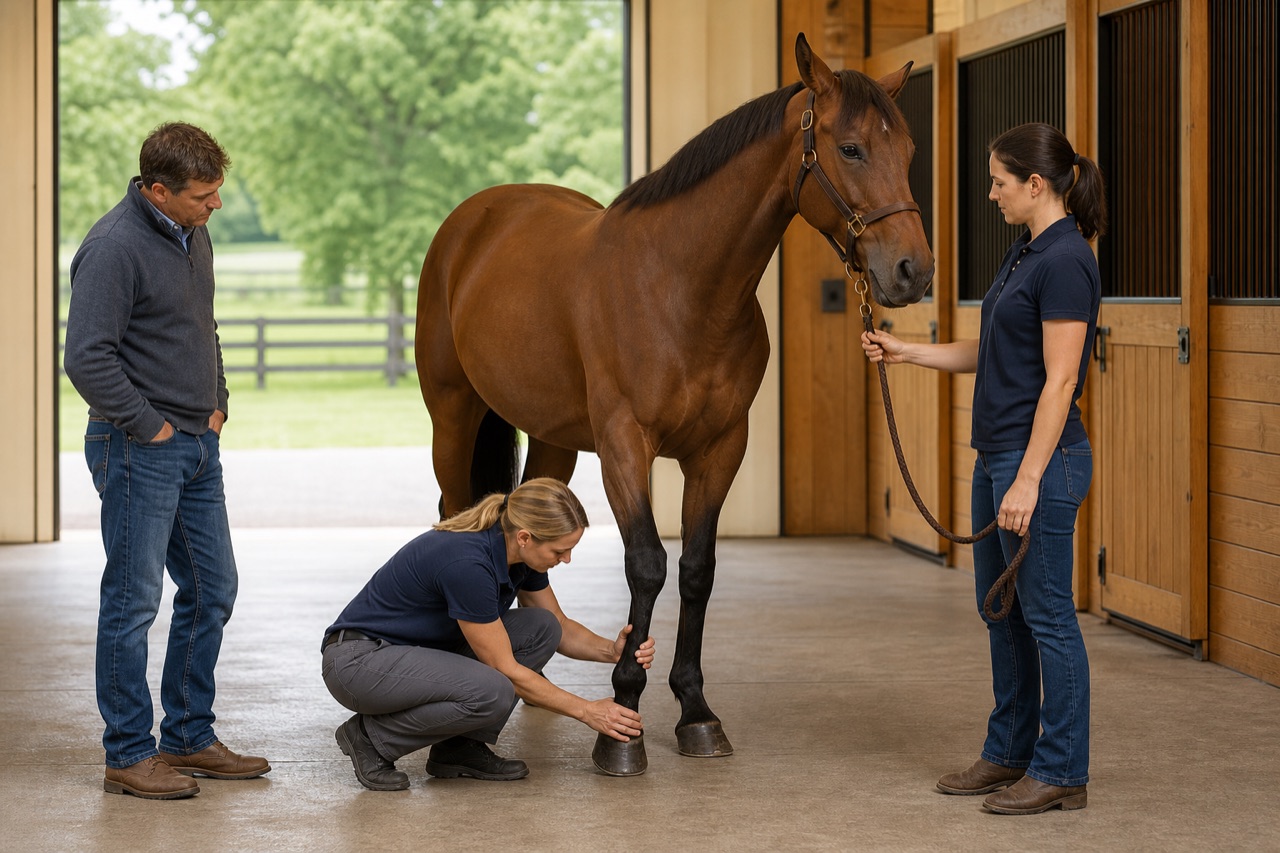
The scope should reflect the horse’s age, price, history and intended athletic use. Discuss every finding with the veterinarian rather than relying on a seller’s interpretation. The AAEP’s equine ethics guidance specifically emphasizes impartiality and clarity about whom the examining veterinarian represents.
Step six
Put the agreement in writing
The bill of sale should identify buyer, seller and horse; state the price and payment method; record the sale date; list included tack or equipment; describe any seller representations; and explain deposits, trial periods or return terms. Registration papers and ownership transfers should match the seller’s identity or be supported by a clear chain of authority.
Before the trailer leaves
- Signed bill of sale
- Payment receipt
- Registration transfer
- Veterinary records
- Current health documents
- Insurance activated if needed
- Transporter and arrival confirmed
- Emergency contacts saved
Interstate health certificate and Coggins requirements vary by destination and can change. The USDA interstate movement guide says most states require individual identification and a Certificate of Veterinary Inspection, while the destination state sets specific EIA and disease requirements. Confirm the current rules with your veterinarian and destination state before travel.
Protect the decision
Know when to walk away
No horse is the last horse available. Pause when facts change, records cannot be verified, the seller blocks an independent examination or the horse is materially different from the advertisement. Urgency is not evidence of value.
For payment and identity warning signs, read our complete marketplace safety guidance. The FTC recommends researching unfamiliar sellers, checking sale terms and avoiding sellers who demand gift cards, wire transfers, payment apps or cryptocurrency.
Your next step
Take the checklist with you—then compare real horses.
Browse current listings by breed, state, price and discipline. Save promising horses, then apply the same process to every candidate.
Frequently asked questions
- What should a first-time horse buyer look for?
- Prioritize temperament, soundness, appropriate training and a proven match for the rider over color, pedigree or potential. An experienced trainer should help assess the horse, and an independent veterinarian should perform a pre-purchase examination.
- How much should I budget beyond the purchase price?
- Plan for a pre-purchase exam, transport, properly fitted tack, initial veterinary and farrier work, insurance where appropriate, and an emergency reserve. Ongoing board and care commonly cost more than the horse over time.
- Is a pre-purchase exam necessary for an inexpensive horse?
- Usually, yes. The examination is a risk-management tool, not a guarantee. Its scope can be tailored to the horse’s price, age and intended use, but skipping it can expose the buyer to avoidable health, soundness and suitability costs.
- Should I pay a deposit before seeing the horse?
- Avoid pressure to send a large or non-refundable payment before verifying the seller, horse and terms. If a deposit is necessary, use a written agreement that states the amount, purpose, refund conditions and deadline.
- What paperwork do I need when buying a horse?
- At minimum, use a signed bill of sale identifying both parties and the horse, price, date, representations, included equipment and any conditions. Also collect registration transfers, health records and the documents required for interstate transport.