
Texas buyer's guide · 2026
Buying a horse in Texas without skipping the checks that matter
Texas offers an unusually broad market—from ranch, roping and barrel horses to hunters, trail mounts and family horses. A large market creates choice, but distance, climate and uneven listing quality make a disciplined buying process essential.
Start with live Texas inventory and a complete budget
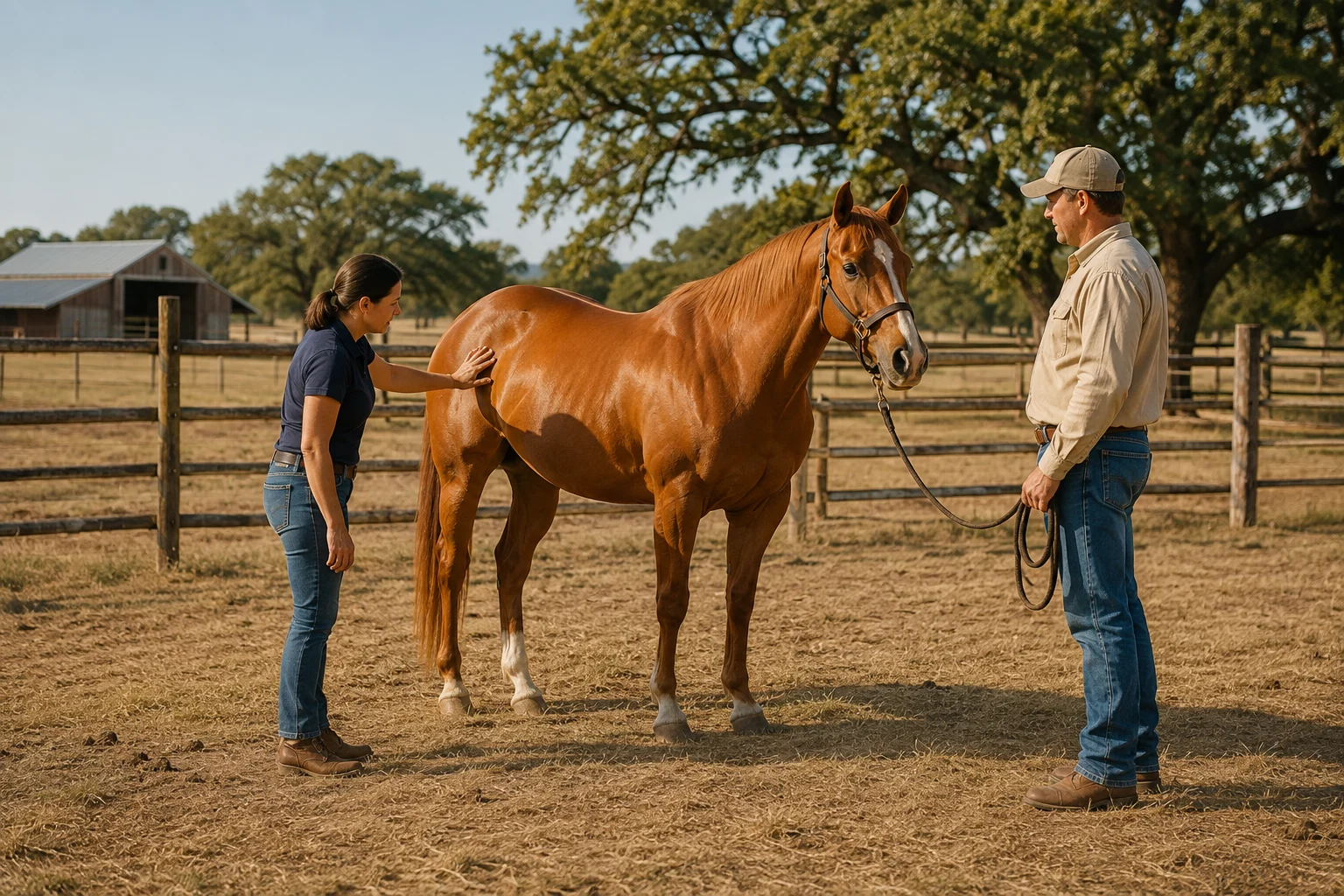
Compare several horses for sale in Texas before contacting a seller. Note asking price, location, training, age and intended discipline. Then budget separately for the veterinary exam, transport, insurance, suitable tack, boarding and an emergency reserve. Our 2026 horse price guide explains current marketplace medians and typical breed ranges.
Screen the seller before crossing the state
Texas travel distances can turn a casual viewing into a full-day trip. Confirm the exact city, seller identity, ownership history, reason for sale and current workload first. Request one recent, continuous video showing the horse caught, handled, tacked and ridden in both directions. For ranch or trail horses, ask to see the conditions and tasks you expect the horse to handle.
- Ask about lameness, colic, surgery, maintenance and medication.
- Confirm loading, hauling, farrier and veterinary behavior.
- Verify registration details directly with the relevant registry.
- Never let urgency replace identity, ownership and payment checks.
Use an independent veterinarian
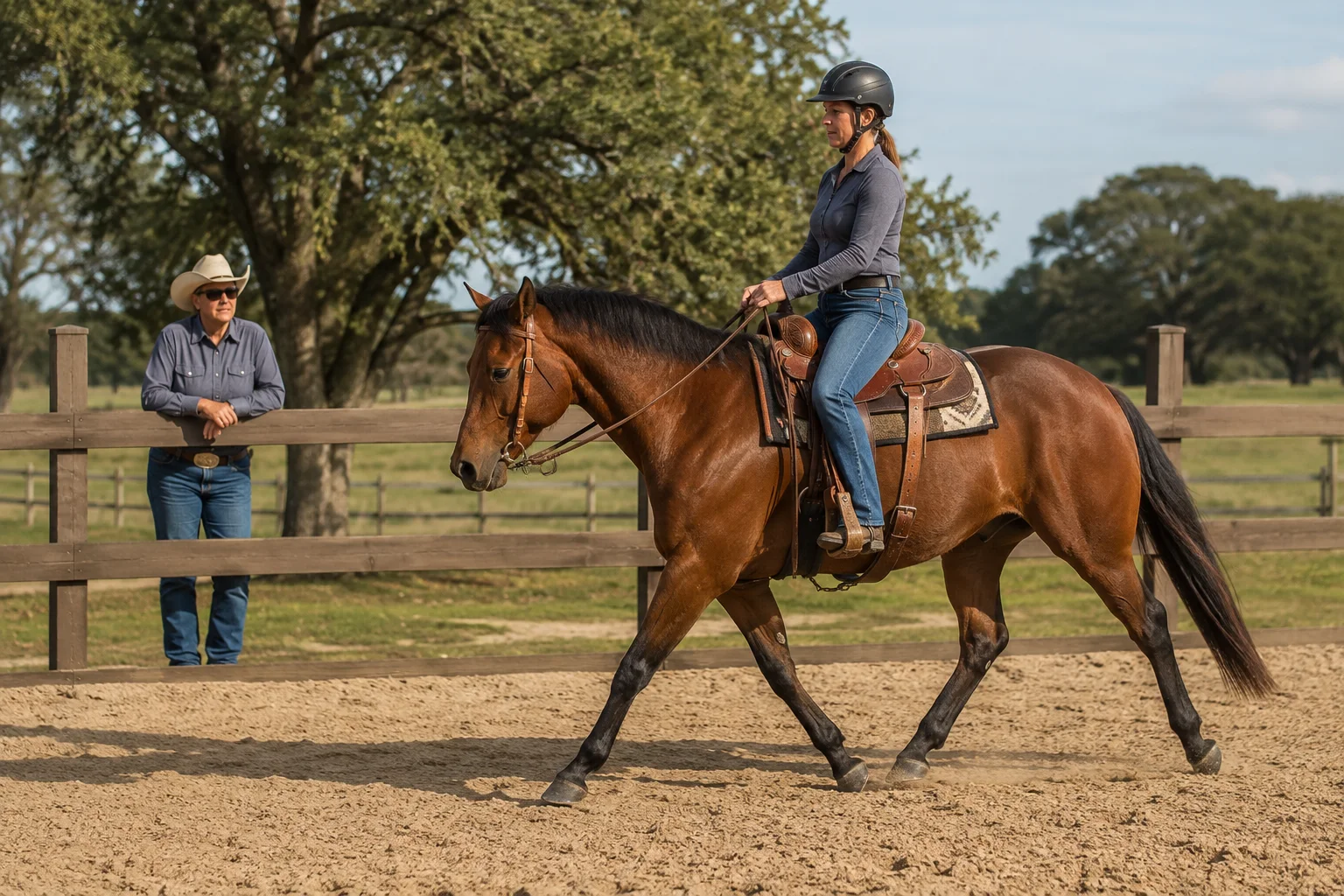
The buyer should select the veterinarian for the pre-purchase examination whenever possible. Explain the horse's intended job and discuss whether radiographs, blood storage or other diagnostics are appropriate. Consider Texas heat and recent conditioning when scheduling the exam, and obtain the health documentation your transporter recommends.
Put the transaction and transport plan in writing
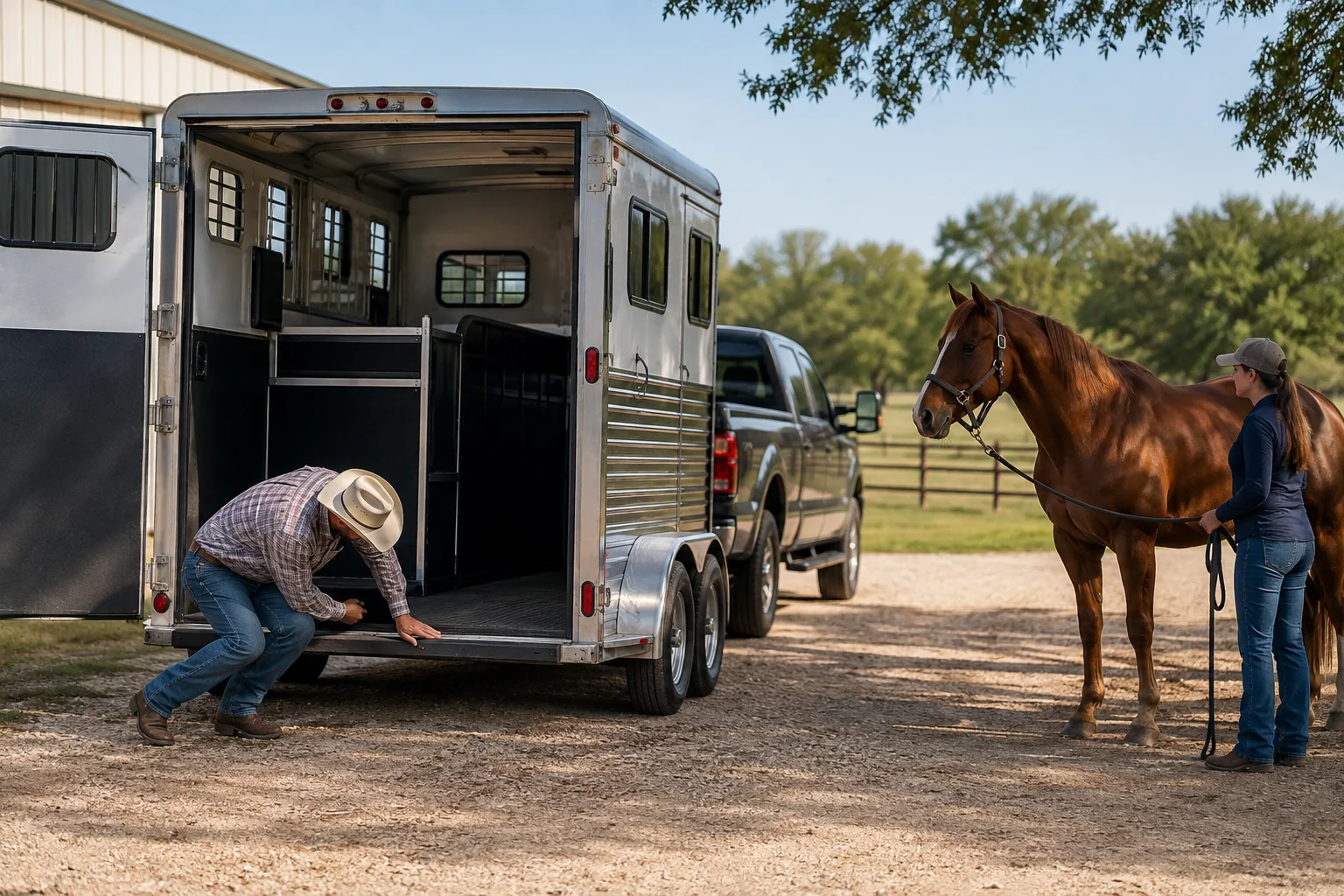
Use a signed bill of sale identifying the parties and horse, the price, deposit terms, seller representations, included equipment and transfer date. Collect registration and veterinary records, confirm the current Coggins status, and agree who carries the risk before pickup. Inspect the trailer and plan water, ventilation and rest around distance and weather.
For the full process, read the complete guide to buying a horse and review our marketplace safety guidance.
Frequently asked questions
- How much does a horse cost in Texas?
- Asking prices vary widely with training, age, soundness, discipline and record. Compare current Texas inventory and the Horse Trade Market price guide rather than relying on one statewide average.
- What documents should I check when buying a horse in Texas?
- Use a signed bill of sale and verify the seller's identity and ownership. Collect registration transfers when applicable, veterinary records, and a current negative Coggins test. Ask your veterinarian and transporter what documents the specific trip requires.
- Should I arrange a pre-purchase exam?
- Yes. Choose an independent veterinarian and explain the horse's intended use. The exam helps you understand current findings and risk; it is not a guarantee of future soundness.
- How can I avoid horse-sale scams?
- Verify the seller and horse, request recent continuous video, visit in person when possible, avoid pressure and unusual payment requests, and put deposits and sale terms in writing.